
Nzilani Wa'Nziani
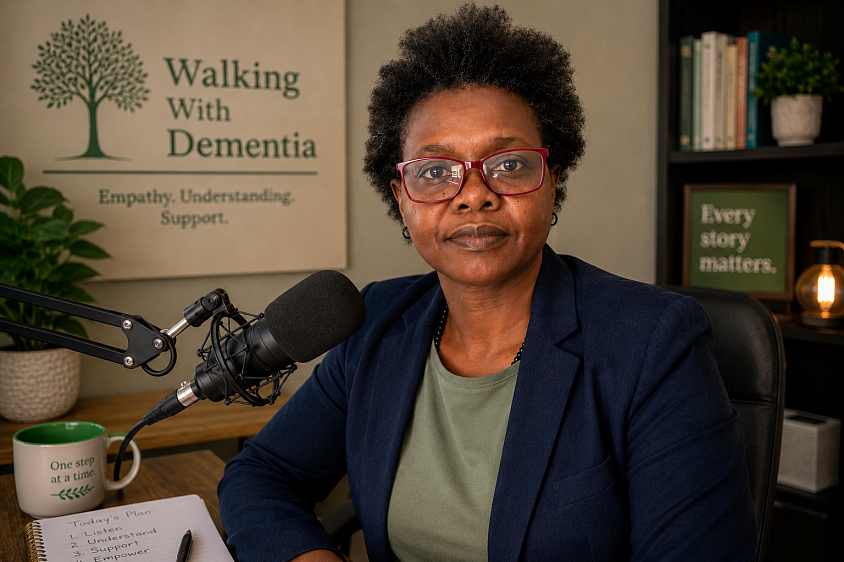
The person behind Walking With Dementia
I'm Nzilani, the person behind Walking With Dementia.
My understanding of dementia care comes from real homes, real routines and real family life — not theory alone.
Over the years, I have supported individuals, couples and families through different stages and different experiences of dementia. No two people, households or dementia journeys have been the same.
That experience has taught me something important: there is no single way to care for someone living with dementia. What helps one person may not help another. Good support begins with understanding the person — their routines, personality, history, environment and what may be happening for them in that particular moment.
This is the experience I bring to Walking With Dementia.
Experience built in real homes
My experience is not based on one person or one dementia journey.
I have supported men and women, individuals and couples, living with different forms of dementia, including Alzheimer's disease, vascular dementia, Lewy body dementia and mixed dementia, as well as people living with Parkinson's disease and dementia.
Much of that learning happened in people's own homes — where dementia is part of everyday life, not an appointment.
Alongside my hands-on experience, I have spent years reading, researching, asking questions, speaking with professionals, and learning from other caregivers and peer-support communities.
But some of my most valuable lessons have come from simply paying attention: noticing what changes a difficult moment, what increases distress, what builds trust, and why an approach that works for one person may not work for another.
That combination of lived experience, continued learning and observation is at the heart of Walking With Dementia.
Why I created Walking With Dementia
Walking With Dementia grew from everything I wished families could know sooner.
I know how overwhelming it can feel when something begins to change and you don't yet understand why. There is so much information available, but when you are living through it, finding the information that actually helps your situation can be difficult.
I created Walking With Dementia to share what I have learned from years of supporting people in their own homes — the practical things, the observations, the mistakes, the questions and the small changes that can make everyday life easier.
I am not here to replace medical or professional advice. I am here to help families make sense of everyday life with dementia care, feel more confident in how they respond, and know where to look for further help when they need it.
Walking With Dementia is about making the journey a little less confusing — one situation at a time.
If you’re unsure where to start, start here. A simple conversation can bring clarity.
